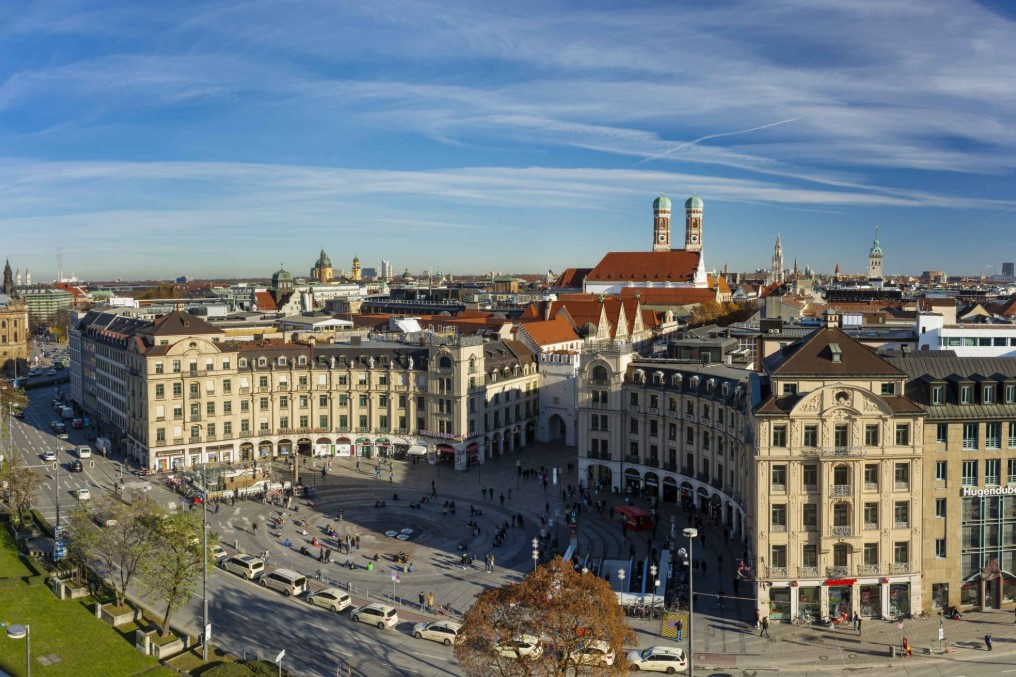
Munich is often described in broad terms, but the city really makes sense when you start moving through its neighborhoods. Each district has its own rhythm, and you notice it quickly if you slow down and pay attention to how people actually live there.
Some areas feel structured and traditional. Others are more relaxed, with cafés spilling onto sidewalks and small shops that seem to change every year. What makes Munich interesting is that these differences sit close together. You can walk twenty minutes and feel like you’ve stepped into a different version of the city.
This guide focuses on streets and districts where that contrast is most visible, and where daily life gives each place a clear identity.
Glockenbachviertel – Where Munich Feels Most Lived-In
If you want to understand how Munich has changed over time, start in Glockenbachviertel. It used to be a working-class area and later developed a reputation for nightlife and counterculture. Today, it still carries that mix, just in a more polished form.
Walk along Müllerstraße or around Gärtnerplatz and you’ll see how different groups overlap. Young professionals, long-time residents, and visitors all use the same cafés and bars. The area is known for its open, diverse community and strong LGBTQ+ presence, which still shapes its identity today.
In the middle of this, you’ll find places that cater to very specific tastes. Services like escort München operate here with the same discretion and normalization as any other urban service, which tells you something about how the district handles personal freedom and privacy.
Schwabing – A District That Still Carries Its Past
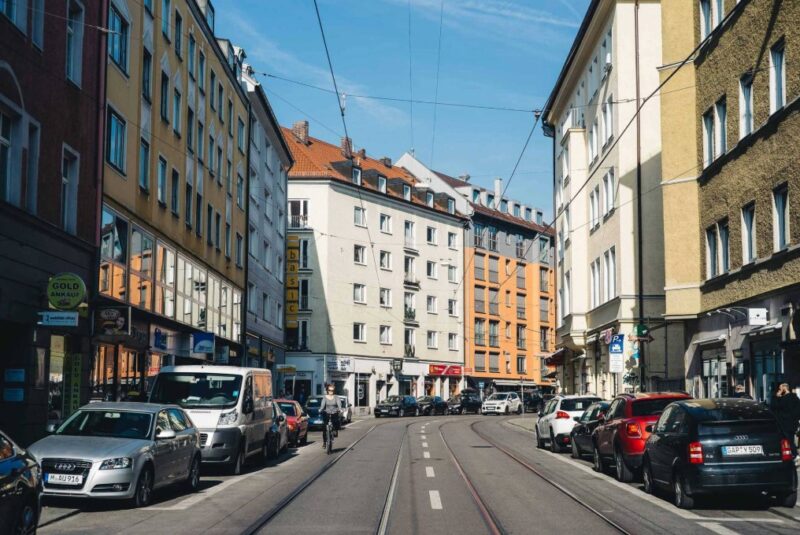
Schwabing has a reputation that goes back decades. It was once the center of Munich’s artistic and intellectual life, and that history still shapes how the area feels today.
You notice it in small ways. There are more bookstores than you expect, more independent cafés, and a steady flow of people who seem to be working remotely or studying. It does not feel rushed. People stay longer in one place, and the pace is slower than in central Munich.
Haidhausen – Quiet Streets With a Strong Local Core
Haidhausen sits just across the Isar, and it feels different almost immediately. The streets are narrower, the buildings older, and the atmosphere more settled.
Historically, it developed as a working-class suburb, with dense housing and small-scale industry. Over time, it shifted into a residential area with a strong cultural presence, especially around places like the Gasteig cultural center.
What stands out today is the consistency. Shops are often independent, cafés are smaller, and there is less turnover than in trend-focused districts.
This stability gives Haidhausen a sense of continuity. It does not feel staged or curated. It feels like a place where people have lived for a long time and plan to stay.
Maxvorstadt – Where Ideas and Daily Life Meet
Maxvorstadt is often described as Munich’s academic district, but that only tells part of the story. Yes, it is home to universities and museums, but what matters more is how that affects everyday life.
You see it in the way cafés are used. People are not just socializing. They are working, reading, or meeting for discussions. The area has a steady flow throughout the day rather than sharp peaks in activity.
Gärtnerplatz Area – Compact, Social, and Consistent
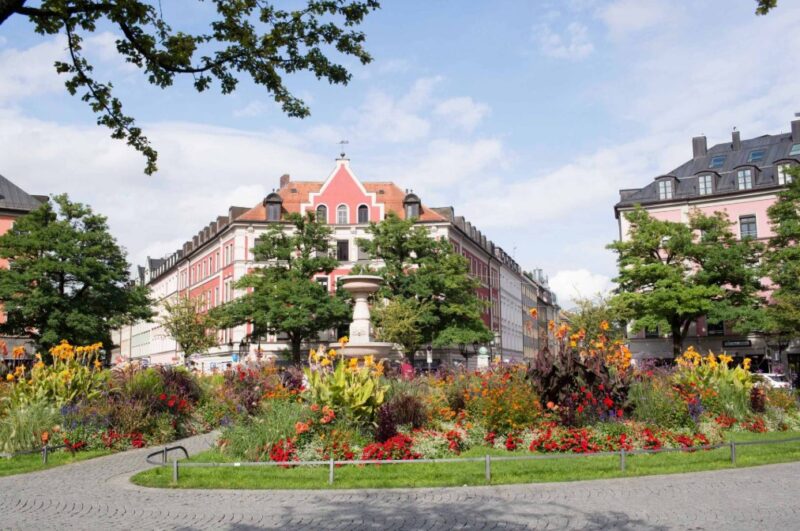
Right next to Glockenbachviertel, the Gärtnerplatz area has its own identity. It is smaller and more centered around the square itself, which naturally draws people in.
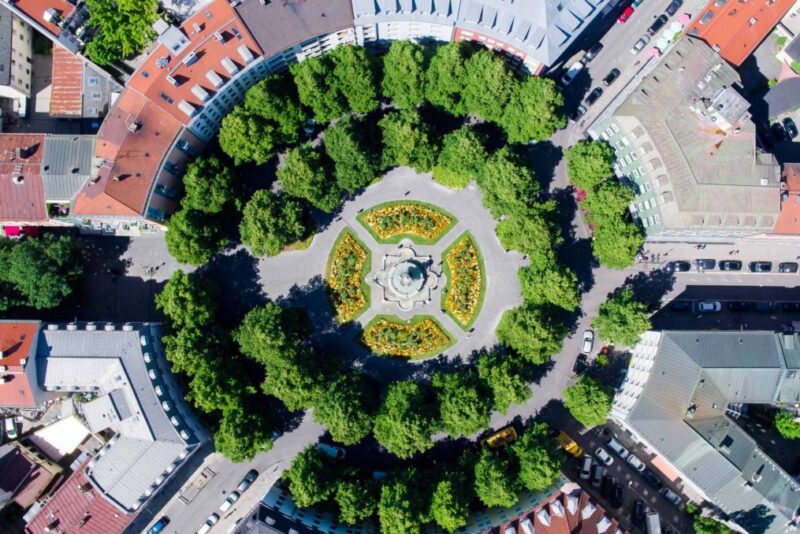
The layout matters here. The circular design of the square creates a focal point, and everything around it feeds into that space. Cafés, bars, and small shops are close together, so people tend to stay within a few streets for hours.
This concentration shapes behavior. Instead of moving across the city, people settle into one spot and let the evening unfold there.
It feels social without being overwhelming, and that balance is not easy to find.
Altstadt-Lehel – The City’s Core, Without the Rush
At first glance, Altstadt-Lehel might seem too central to have personality. It is where most landmarks are, and it attracts a constant flow of visitors. But if you move slightly away from the main squares, the tone shifts.
Side streets reveal quieter patterns. Small shops, older buildings, and local routines still exist, even within the city center. The key is timing. Early mornings and late afternoons show a different side of the district.
Closing Thoughts
Munich does not rely on one central identity. It works as a collection of smaller, clearly defined areas, each with its own habits and pace.
If you want to experience the city properly, focus less on landmarks and more on how these districts function day to day. Walk without a fixed plan, pay attention to how people use the streets, and stay long enough to notice patterns.
That is where the personality of Munich really becomes clear.