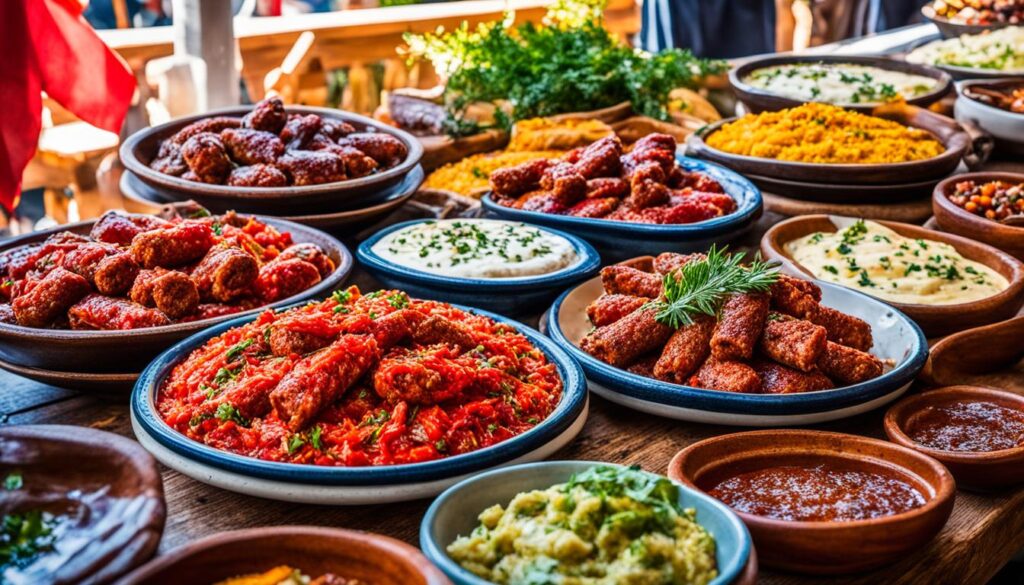
Have you ever landed in a new city, opened a menu, and realized you have no idea where to start? Bucharest does that to a lot of first-time visitors.
Romanian food looks familiar at first glance, meat, soups, pastries, bread, but the names, combinations, and portions can feel overwhelming.
That is why approaching Romanian cuisine as a checklist works better than browsing randomly.
This guide is built for your first trip, focusing on what you should actively look for, try at least once, and understand before you leave. Think of it as a food roadmap rather than a restaurant review. By the end, you will know what matters, what not to skip, and how locals actually eat in Bucharest.
1. Start with one classic Romanian main dish
On your first full day in Bucharest, your priority should be trying one unmistakably Romanian main dish, not sampling everything at once. The most reliable choice is sarmale, cabbage rolls filled with minced meat and rice, slow-cooked until tender. This dish shows how Romanian food balances richness, acidity, and comfort in a single plate.
Sarmale are rarely eaten alone. They usually arrive with polenta, sour cream, and sometimes hot peppers. This combination is intentional and reflects how meals are traditionally structured. Trying sarmale early gives you a reference point for everything else you will eat later.
If you are not eating pork, ask for alternatives, many places offer chicken or vegetarian versions. The goal here is orientation, not perfection. One solid traditional main helps you understand the flavor language of Romanian cuisine.
2. Experience Romanian food in more than one setting
Romanian food culture is not tied to a single type of place. For a first trip, it helps to experience it in at least two different environments. One should be a traditional restaurant, the other something more modern or relaxed.
Many visitors enjoy combining dinner with atmosphere, especially in central areas of Bucharest. Spending an evening at a rooftop bar & restaurant in Bucharest fits naturally into this checklist, not as a novelty, but as a way locals themselves unwind. It allows you to try familiar dishes or modern reinterpretations while seeing the city from above, which adds context to the experience.
Food markets, bakeries, and casual terraces also count. Romanian cuisine lives just as much in everyday spaces as it does in formal dining rooms.

3. Do not skip Romanian soups, even if you usually do
If you normally skip soup while traveling, Romania is the place to break that habit. Romanian soups, especially ciorbă, are not side dishes but central elements of the cuisine. They are sour, filling, and deeply tied to local eating habits.
Ciorbă comes in many forms, chicken, vegetables, tripe, beef, but all share that signature tangy base. Locals eat soup year-round, including in summer, because it is believed to aid digestion and restore balance after heavier foods.
Ciorbă is defined not by ingredients, but by its souring method, which gives it a distinct Romanian identity.
Ordering soup at lunch is often enough for a complete meal. It is also one of the easiest ways to eat like a local without overthinking your order.
4. Try Romanian street food at least once
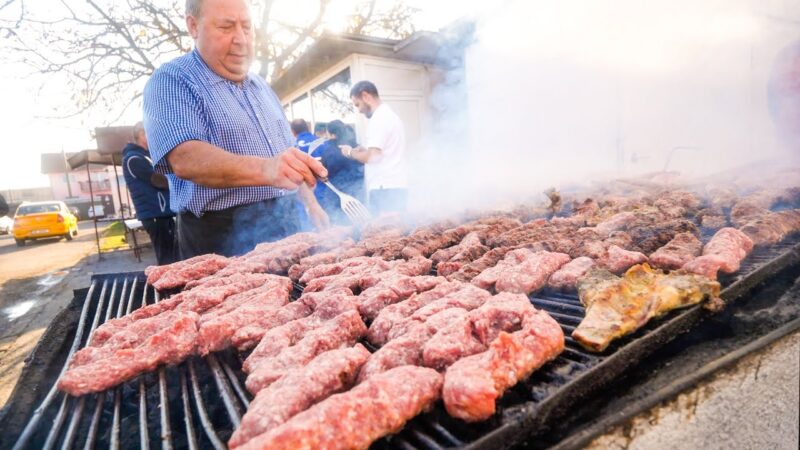
No first trip checklist is complete without street food. In Romania, that means mici. These grilled, skinless sausages are everywhere and for good reason. They are simple, juicy, and intensely savory.
Mici are usually eaten with mustard and bread, often standing or at shared tables. This casual style is part of the experience. You will see locals eating mici quickly during lunch breaks or lingering over them with beer in the evening.
Do not expect refinement here. The value of mici is cultural, not culinary complexity. Trying them once helps you understand how Romanian food functions outside of restaurants, informal, social, and practical.
5. Save room for at least one traditional dessert
Romanian meals are filling, which is why desserts are often shared. Still, your checklist should include one classic dessert, and the safest choice is papanasi. These cheese-based doughnuts, served with sour cream and jam, look indulgent but are surprisingly balanced.
The contrast between warm dough, cool cream, and tart jam is intentional and very Romanian. Many first-time visitors are skeptical until the first bite. After that, it usually becomes a favorite.
Other desserts like cozonac or filled pastries are also worth trying, especially in bakeries. The key is moderation. One shared dessert gives you the full experience without overwhelming you.
6. Pair food with local drinks, keep it simple
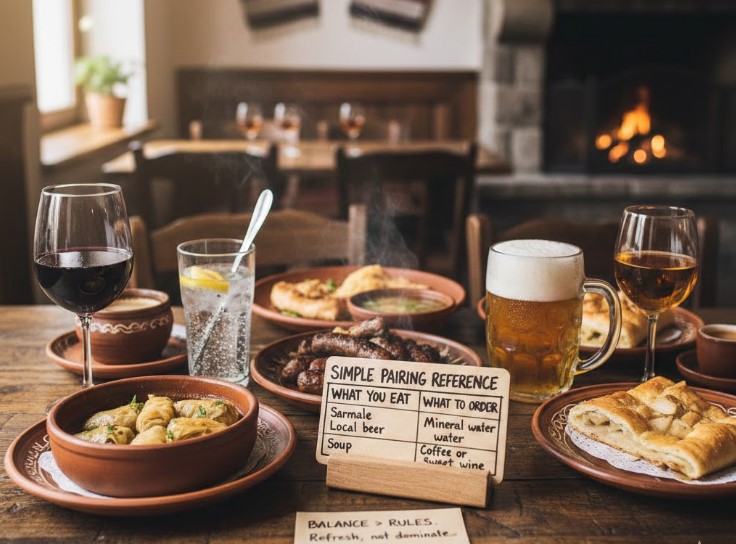
You do not need expert knowledge to drink well in Bucharest. Romanian food pairs best with uncomplicated choices. Local beer works with grilled meats, while dry red wines complement heavier dishes like sarmale.
Here is a simple pairing reference you can actually use:
| What you eat | What to order |
| Sarmale | Dry red wine |
| Mici | Local beer |
| Soup | Mineral water |
| Dessert | Coffee or sweet wine |
After the table, remember that balance matters more than rules. Romanian meals are rich, so drinks are meant to refresh, not dominate.
7. Adjust expectations about portions and pacing
One of the most common mistakes first-time visitors make is ordering too much. Romanian portions are generous, especially in traditional restaurants. Sharing dishes is normal and often encouraged.
Meals are not rushed. Courses arrive with pauses, and bread appears automatically. This slower rhythm is part of the culture. Eating quickly or stacking dishes back-to-back can leave you uncomfortable rather than satisfied.
Plan fewer meals, but enjoy them fully. That mindset fits Romanian food culture far better than trying to sample everything in a short time.
8. Learn one small local habit that improves the experience
A simple habit that improves almost every meal in Bucharest is asking what is made in-house. Many restaurants proudly prepare their own bread, pickles, and desserts. These items often define the quality of the meal more than the main dish itself.
Another useful habit is trusting lunch menus. Many places offer excellent midday meals at better prices, often including soup and a main. This is how locals eat during the workweek.
These small choices turn a tourist meal into something closer to a local experience.
Last thoughts
Romanian food in Bucharest does not need decoding, but it does benefit from structure. Approaching it as a checklist keeps your first trip focused and enjoyable instead of overwhelming.
One classic dish, one soup, one street food experience, one dessert, and attention to pacing will give you a clear sense of the cuisine.
By the time you leave, menus will feel familiar, portions will make sense, and Romanian food will no longer feel like a mystery, just something you already know how to enjoy.